Choosing between Calm and Headspace for your mental wellness needs often comes down to these key questions:
In short, here’s what we recommend:
👉 Calm is the go-to app for anyone prioritizing sleep and relaxation. Its extensive library of celebrity-narrated Sleep Stories, soothing soundscapes, and calming music creates an immersive experience that has helped it become one of the most popular sleep and meditation apps available. With over 100 million downloads and features like the Daily Calm, Calm Body movement sessions, and Masterclasses from world-renowned experts, it offers a broad and diverse approach to mental wellness. However, Calm’s free version is quite limited; the annual subscription runs $69.99, and the core app lacks in-app social features for those who need more than self-guided content.
👉 Headspace excels as a structured, beginner-friendly meditation platform built on authentic mindfulness expertise. Co-founded by former Buddhist monk Andy Puddicombe, the app offers over 500 guided meditations organized into progressive courses, unique non-linear Sleepcasts, and a comprehensive Focus section with exclusive artist collaborations from musicians like John Legend and Hans Zimmer. With its clean interface, science-backed approach, and expansion into coaching, therapy, and psychiatry through Headspace Care, it provides a clear path from casual mindfulness to professional support. The trade-off is a more guided (and potentially restrictive) experience, and at $69.99 per year, it can feel less flexible than Calm for users who prefer to explore freely.
Both apps are excellent tools for managing everyday stress, improving sleep, and building mindfulness habits. But if you’re exploring these apps specifically because of anxiety, depression, or other mental health concerns, it’s worth knowing that professional therapy, with measurable outcomes, may be what you actually need.
That’s where CarePaths comes in: a platform that helps you find accredited therapists who use Measurement-Based Care to track your progress and ensure treatment is working objectively.
Table of Contents:
Calm and Headspace are both premium consumer wellness apps priced at $69.99 per year, but they take notably different approaches to mindfulness and mental wellness.
| Calm | Headspace | |
|---|---|---|
| Primary function | Sleep, relaxation & meditation app | Mindfulness education & meditation app |
| Sleep tools | ⭐⭐⭐⭐⭐ Celebrity Sleep Stories, music, soundscapes |
⭐⭐⭐⭐ Non-linear Sleepcasts, Wind Downs, soundscapes |
| Meditation library | ⭐⭐⭐⭐⭐ Hundreds of hours, varied topics |
⭐⭐⭐⭐ 500+ guided meditations, progressive courses |
| Focus & productivity | ⭐⭐⭐ Soundscapes, music, breathing exercises |
⭐⭐⭐⭐⭐ Exclusive artist collaborations, curated playlists |
| Professional support | ❌ None in core app |
⭐⭐⭐ Coaching, therapy & psychiatry via Headspace Care |
| Outcome tracking | ⭐⭐ Basic mood check-ins and streaks |
⭐⭐ Mood tracking and streaks |
| Starting price | $69.99/year (after free trial) | $69.99/year (after 14-day trial) |
| Free option | Limited free content | 7 or 14-day free trial |
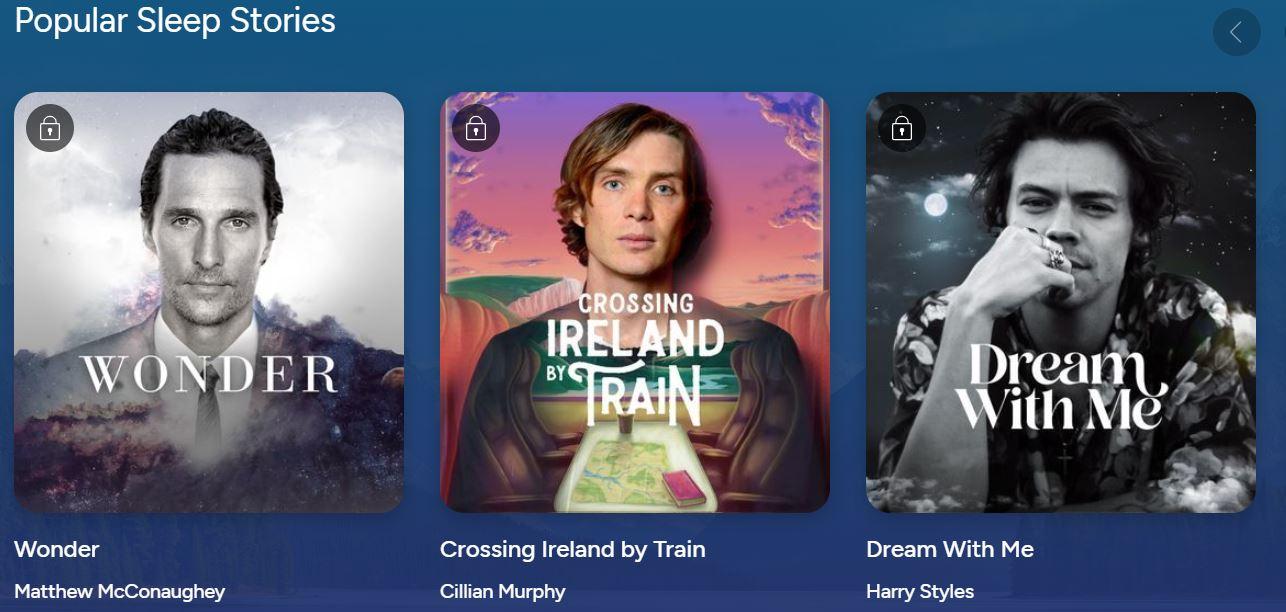
If your primary goal is better sleep, Calm has built an impressive content empire around this need. The app’s Sleep Stories are its signature feature: bedtime stories for adults narrated by celebrities like Matthew McConaughey, Harry Styles, and Cillian Murphy.
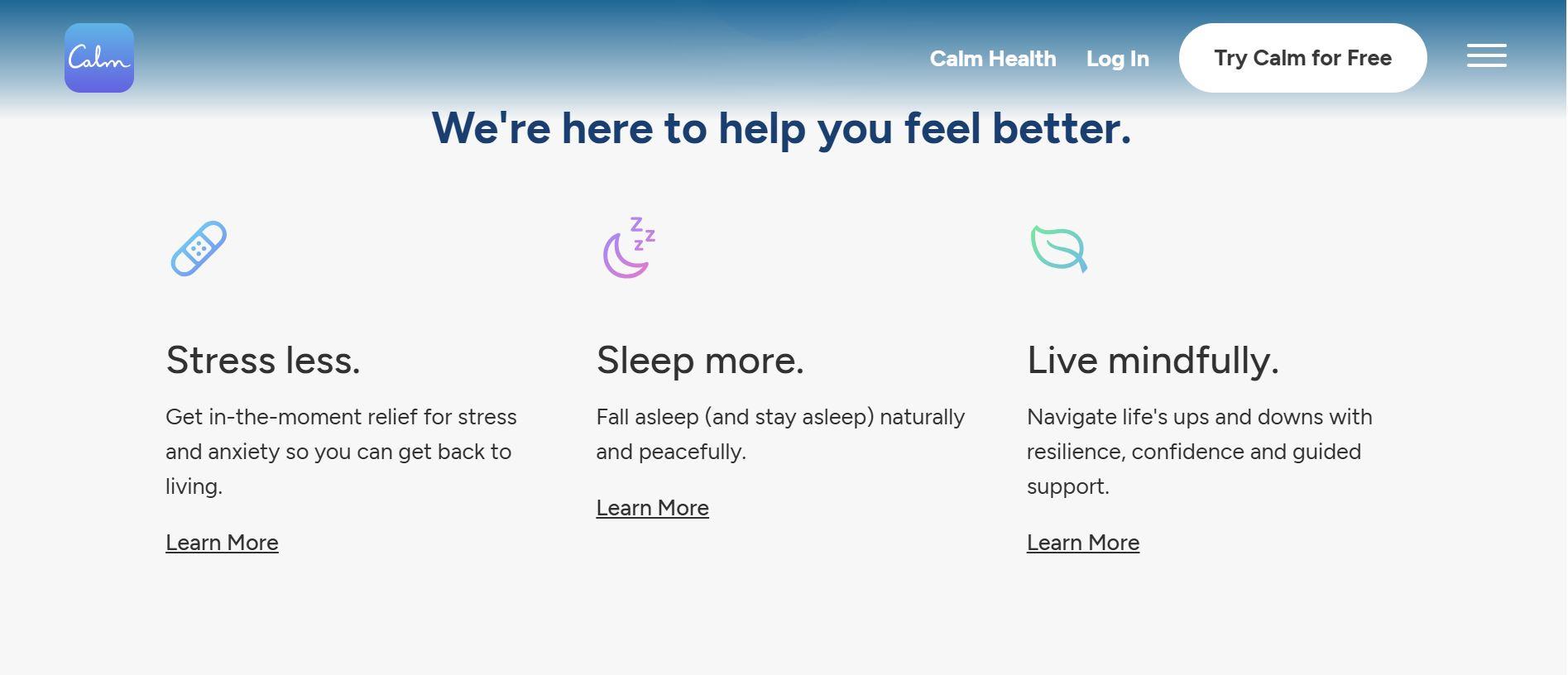
These stories are typically 20 to 40 minutes long and are designed to be just engaging enough to distract your mind from racing thoughts, but not so captivating that they keep you awake.
Beyond Sleep Stories, Calm’s sleep toolkit includes purpose-built sleep music (including “Sleep Remixes” of popular songs from artists like Ariana Grande and Post Malone, created in partnership with Universal Music Group), high-quality nature soundscapes, and guided sleep meditations.
In September 2025, the company doubled down on sleep by launching a standalone “Calm Sleep” app with personalized daily plans and expert-backed tasks to build better sleep habits.
The meditation side of Calm is equally substantial. The Daily Calm delivers a fresh 10-minute guided meditation every morning, led by Tamara Levitt, the Head of Mindfulness at Calm.
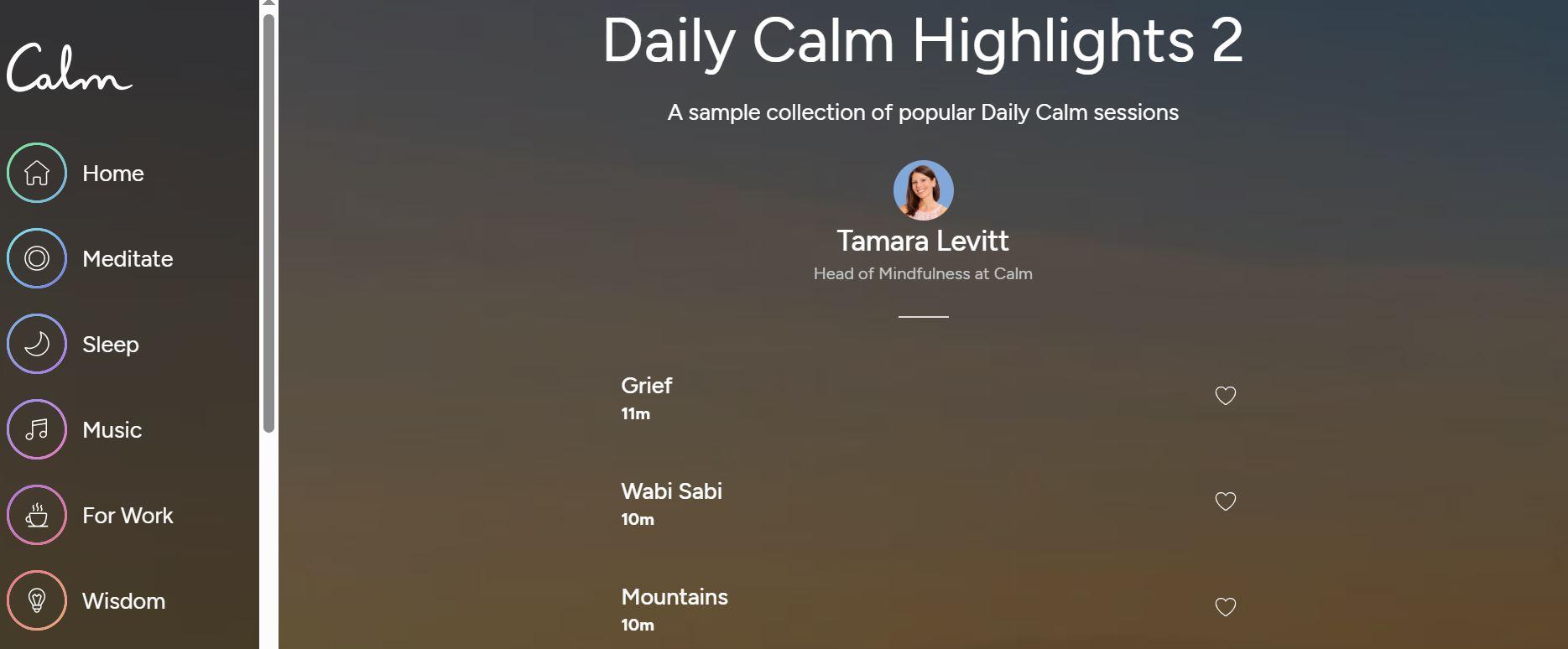
Topic-specific meditation packs cover everything from anxiety and stress to focus and personal growth. Session lengths range from 2-3 minutes up to 30 minutes, and unguided timed meditation options cater to more experienced practitioners.
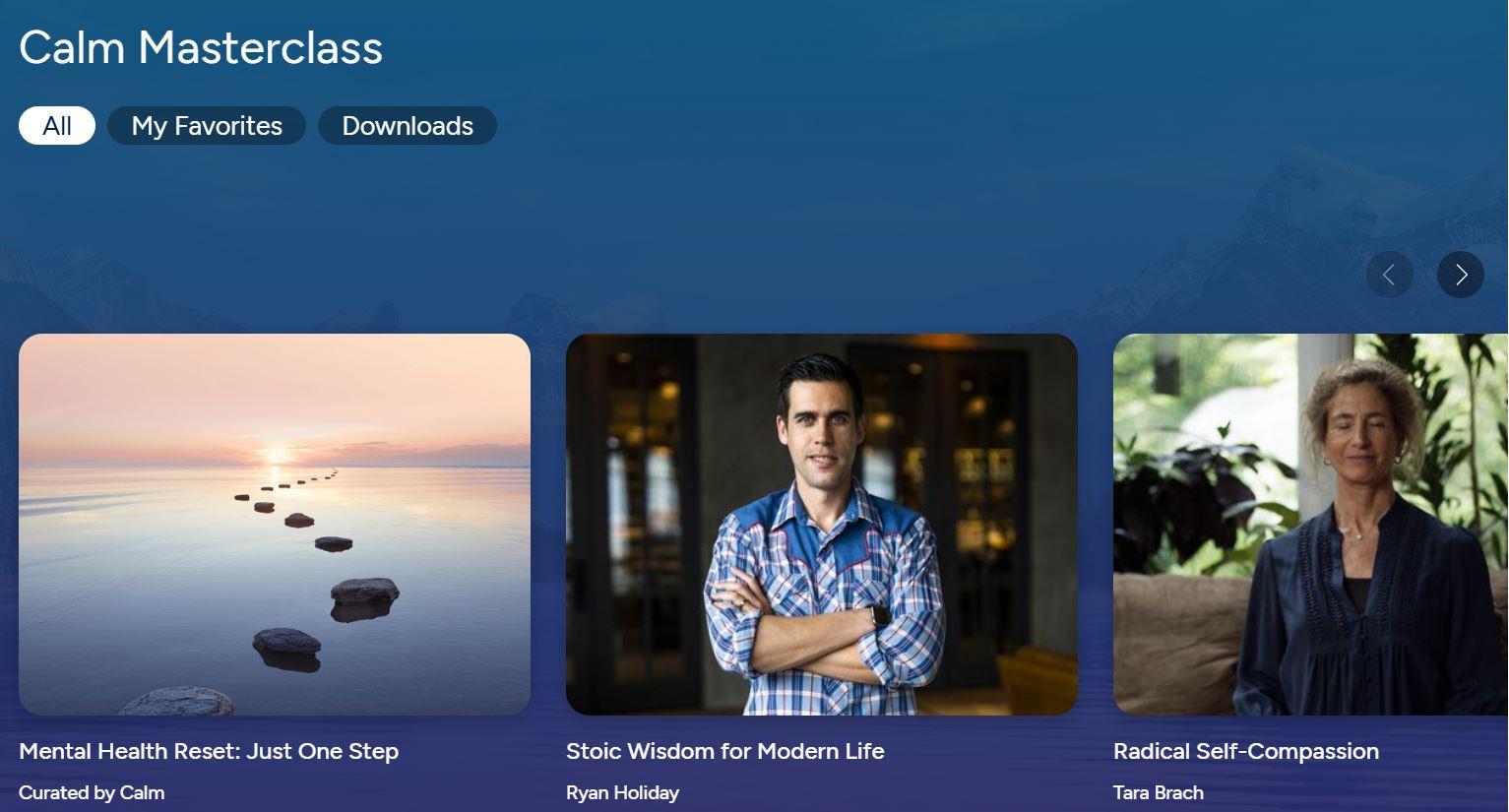
Calm also offers Masterclasses, which are in-depth audio courses taught by experts like Elizabeth Gilbert (“Creative Living Beyond Fear”), Ryan Holiday (“Stoic Wisdom for Modern Life”), and Dr. Judson Brewer (“Breaking Bad Habits”).
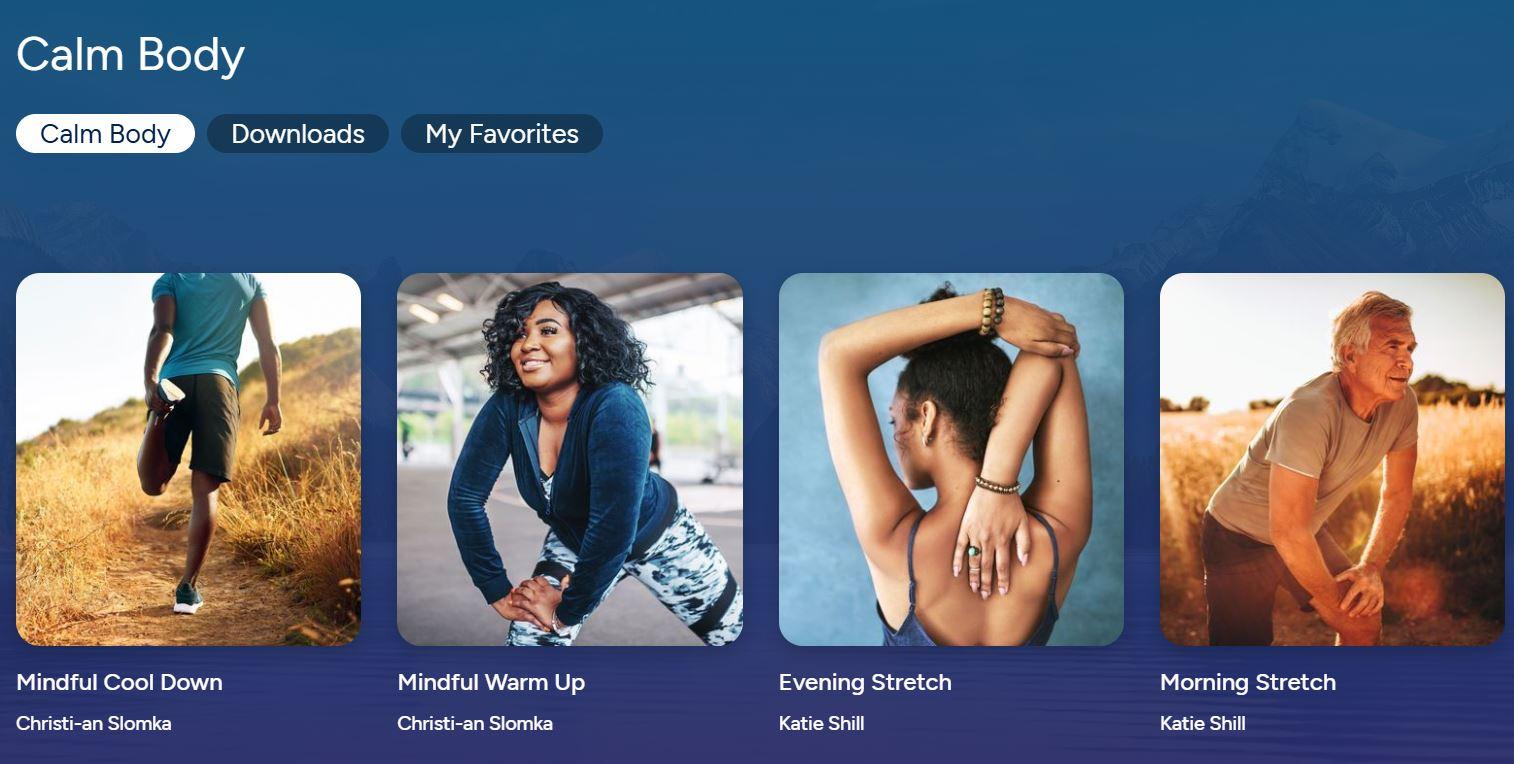
The Calm Body feature provides guided video stretching and movement sessions, typically around 10 minutes, designed for time-of-day-specific routines like morning wake-ups and evening wind-downs.
Where Calm falls short is in structured learning and professional support. The sheer volume of content can feel overwhelming rather than calming for some users.
The core app lacks in-app social features, and while Calm has launched a separate Calm Health product with clinically-oriented programs, the main app offers no direct path to professional therapy. The free version is also quite limited, essentially serving as a preview to encourage you toward the $69.99 annual subscription.
Where Calm feels like a library you browse at your own pace, Headspace feels like a well-designed curriculum. The app was co-founded by Andy Puddicombe, a former Buddhist monk who spent about a decade in monasteries across Asia, and this authentic expertise permeates the entire experience.
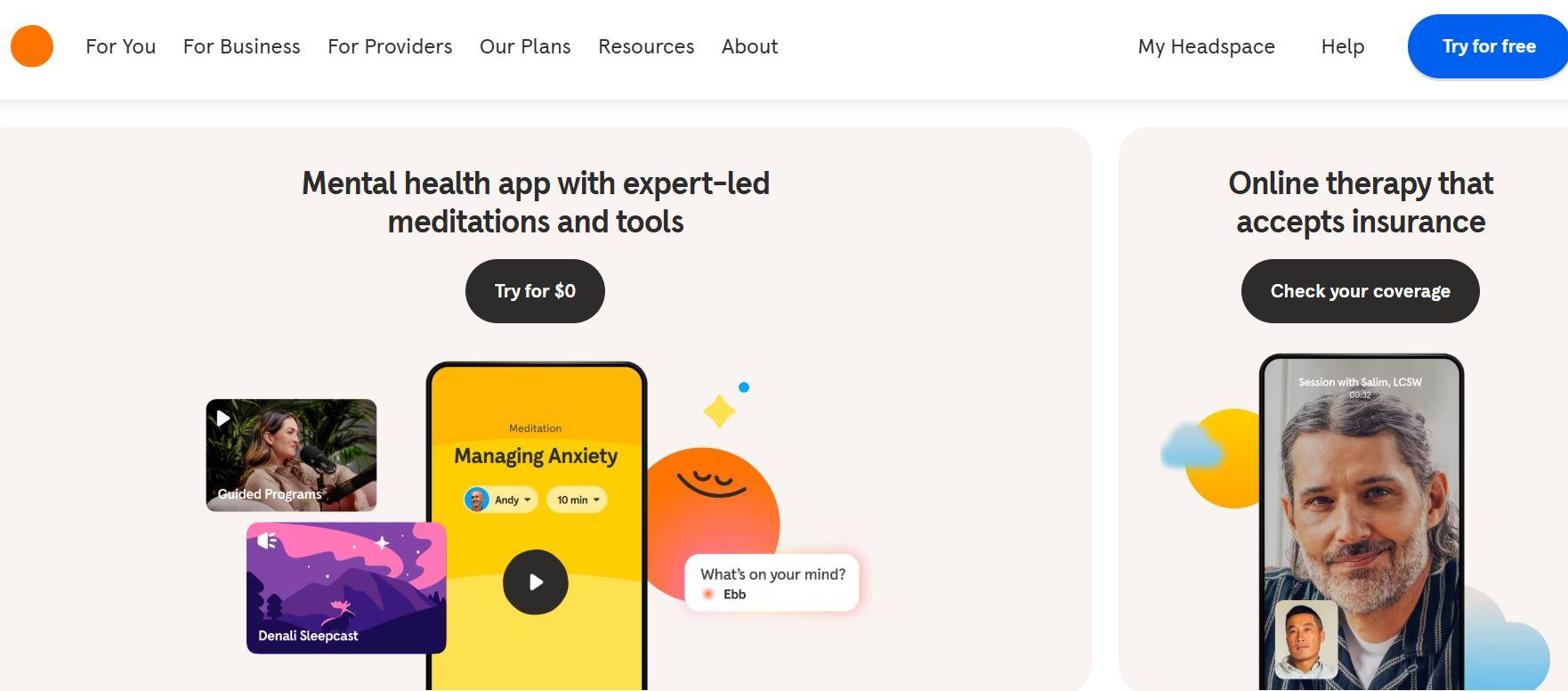
Headspace’s greatest strength is its structured approach to teaching meditation. The “Basics” course introduces foundational mindfulness techniques in easy, progressive steps.
From there, users can explore themed courses (typically 10 to 30 daily sessions each) on topics like managing anxiety, building self-esteem, and navigating change. Each session builds on the previous one, creating a genuine learning path rather than a collection of disconnected sessions.
The app’s sleep content takes a notably different approach from Calm. Headspace’s Sleepcasts are intentionally non-linear audio tours of dreamy, tranquil environments, designed without a clear beginning, middle, or end. This prevents listeners from tracking the story’s progression (and the passage of time), which can cause anxiety.
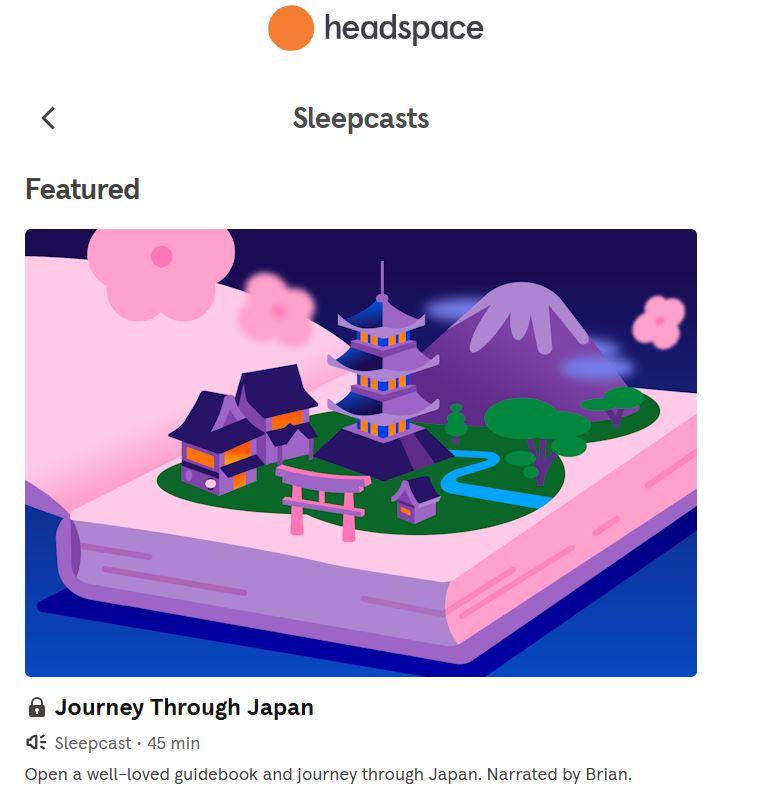
The Sleepcasts are also remixed each night for a slightly different experience. Complementing these are “Wind Downs” (short pre-sleep relaxation exercises), sleep music, soundscapes, and “Nighttime SOS” sessions specifically designed for middle-of-the-night awakenings.
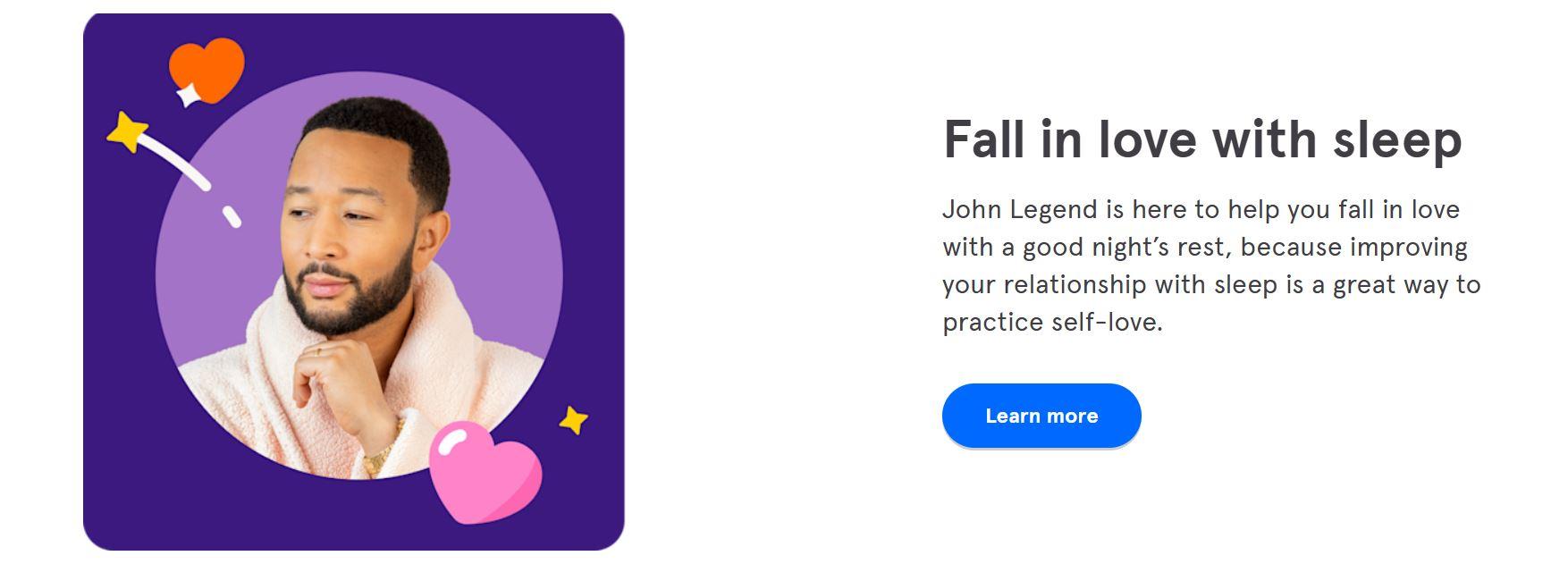
The Focus section stands out with exclusive artist collaborations. John Legend served as Headspace’s first Chief Music Officer, curating monthly playlists. Grammy-winning band Arcade Fire created an original meditative album (“Memories of the Age of Anxiety”), and Hans Zimmer contributed a cinematic soundtrack for concentration.
Many of these are purpose-built audio experiences largely exclusive to the Headspace platform.
Headspace’s “Move” feature brings mindfulness into physical exercise with guided workouts led by Olympic athletes, including diver Leon Taylor and volleyball player Kim Glass. The workouts are low-to-medium impact and typically 10 to 30 minutes long, with a strong emphasis on the mind-body connection.
Perhaps most significantly, Headspace has expanded beyond pure self-care through Headspace Care (available through employers). This service integrates the mindfulness app with mental health coaching (available 24/7 via text, with connections within minutes), licensed therapy, and psychiatry.
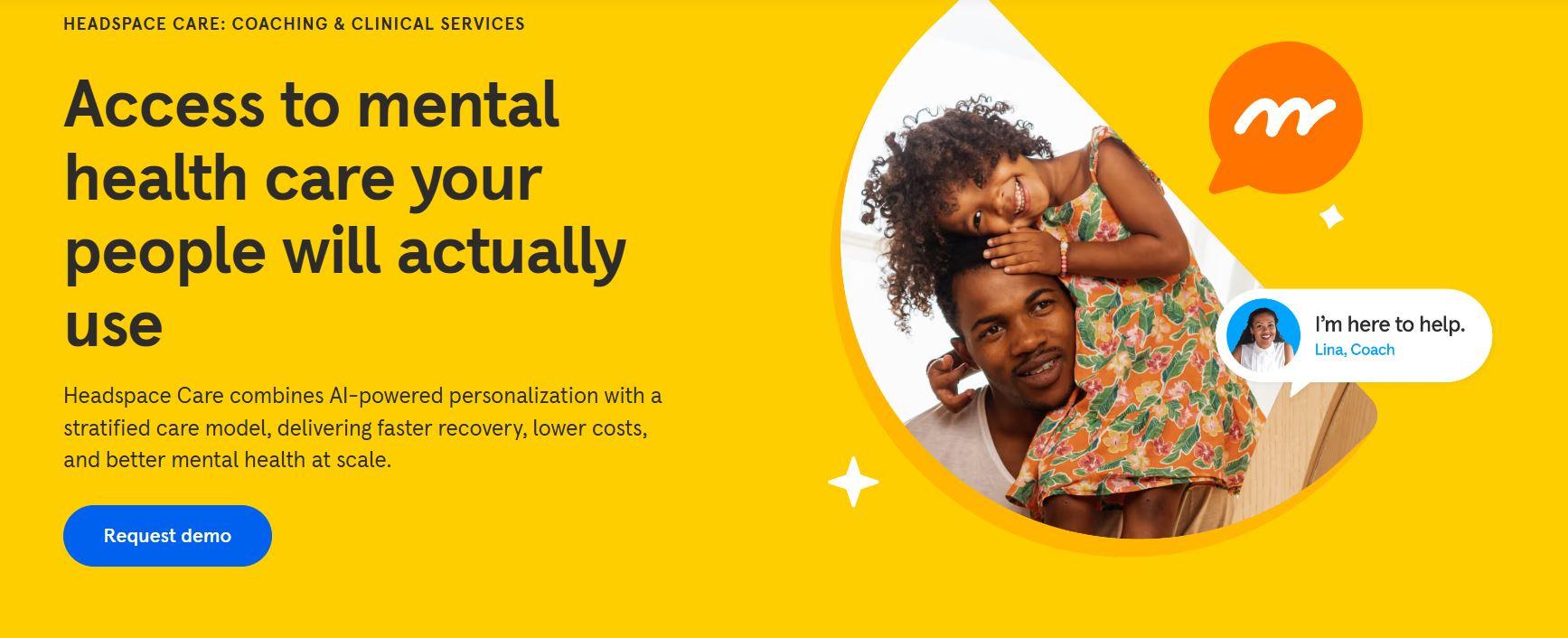
It represents a bridge between self-guided wellness and professional care, though it’s primarily available as an employee benefit rather than direct-to-consumer.
Headspace’s main limitations include a more guided experience that some users find restrictive, and a meditation library that, while high-quality, feels less expansive than Calm’s for sleep-specific content. Advanced meditators may also find the structured approach too basic for their needs.
With both apps priced at $69.99 per year, the choice between Calm and Headspace comes down to content preferences and learning style rather than cost.
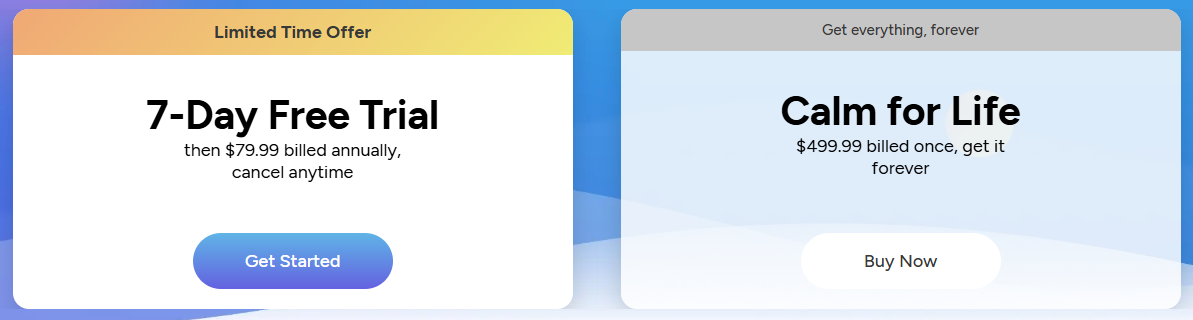
Calm charges $69.99 per year after a free trial, or offers a one-time “Calm for Life” payment of $499.99. Both tiers unlock the same full content library. The free version provides limited access to a selection of meditations, breathing exercises, and a few Sleep Stories and music tracks. Calm’s pricing reflects its position as a premium consumer content platform.
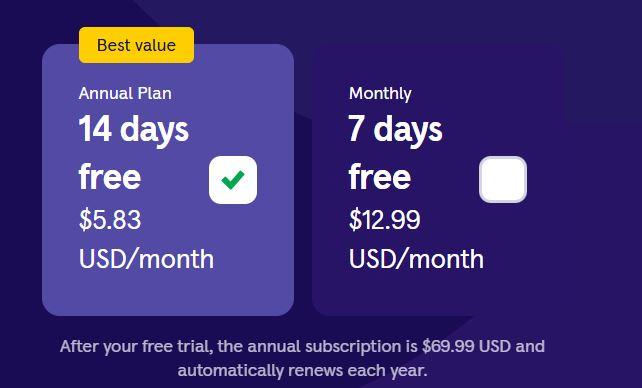
Headspace comes in at $69.99 per year (after a 14-day free trial) or $12.99 per month.
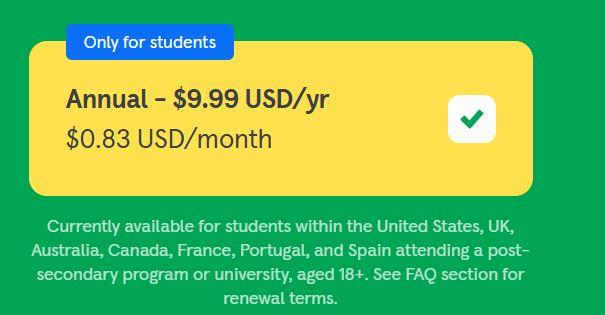
A student plan offers 85% savings, and family plans are available. Both subscription tiers unlock the full library.
Headspace also offers mental health coaching as a separate service, and Headspace Care (with therapy and psychiatry) is primarily available through employer-sponsored benefits.
Each platform takes a different approach to how users interact with content and how personalized the experience feels.
Calm offers a wide variety of content types: Sleep Stories, guided meditations, music (with exclusive artist collaborations and Sleep Remixes), soundscapes, Masterclasses, Calm Body movement sessions, and breathing exercises.
The Breathe Bubble is a particularly beloved feature for in-the-moment stress relief. Calm’s Check-Ins allow users to log mood, sleep quality, gratitude, and meditation reflections.
The app personalizes recommendations based on onboarding questions and user behavior, using machine learning to understand preferences. However, the personalization primarily surfaces relevant content rather than adapting the content itself.
Headspace takes a different approach, emphasizing depth and structure within its content categories. The meditation library is organized into a clear progression from beginner to advanced.
The “Today” tab serves as a personalized daily hub, curating content for morning, afternoon, and evening. Headspace’s “Content Customizer” machine learning model analyzes user history to tailor recommendations.
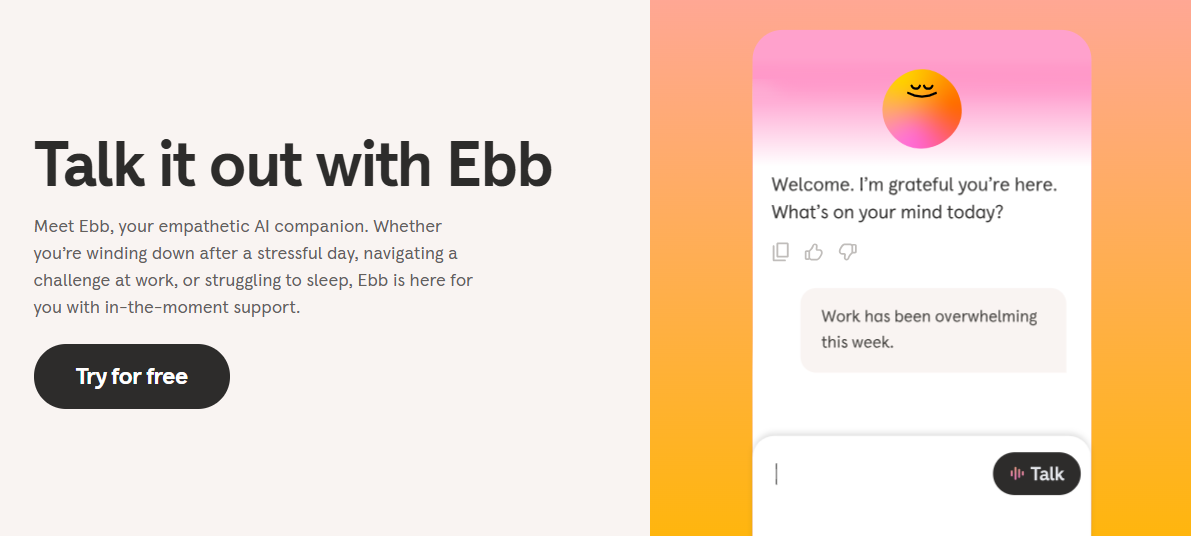
The “Ebb” AI companion (launched in late 2024) takes personalization further by helping users process emotions and receive content suggestions based on their current mental state. For sleep, the non-linear, remixed Sleepcasts provide a genuinely different experience each night.
The SOS Meditations offer targeted 3-minute exercises for specific emotional emergencies like panic, anger, or overwhelm.
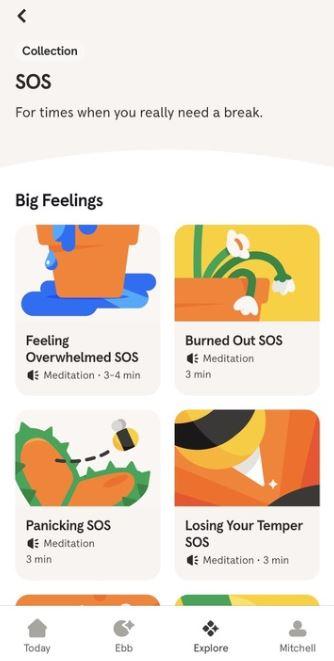
Source: Headspace
Both platforms claim scientific backing, but the nature and depth of that evidence differ.
Calm positions its content as science-based, with a dedicated “Calm Science” team that researches and incorporates evidence-based practices. Many of the meditations draw on Mindfulness-Based Stress Reduction (MBSR) techniques, which have a substantial body of research supporting their effectiveness.
The celebrity-narrated Sleep Stories and music content, while highly polished, are designed primarily around user experience and production quality.
Headspace has invested significantly in clinical research, with over 50 peer-reviewed studies examining the app’s effects. The company cites studies showing that 30 days of Headspace use can lead to a 32% reduction in stress.
Research has also demonstrated reduced mind-wandering and improved focus among users. The content is developed in collaboration with sleep scientists and mindfulness experts, and Headspace emphasizes the evidence base of its methods.
The expansion into Headspace Care brings licensed therapists and psychiatrists into the ecosystem, adding clinical credibility.
Calm and Headspace are powerful tools for everyday wellness, stress management, improved sleep, and building mindfulness habits. But it’s worth being honest about what these apps can and can’t do.
If you’re exploring meditation apps because of persistent anxiety, depression, relationship difficulties, or other mental health concerns, a self-guided app, no matter how well-produced, is not a substitute for working with a licensed therapist.
Think of it like the difference between a daily vitamin and seeing your doctor: both have their place, but they serve fundamentally different purposes.
This is where CarePaths is worth knowing about.
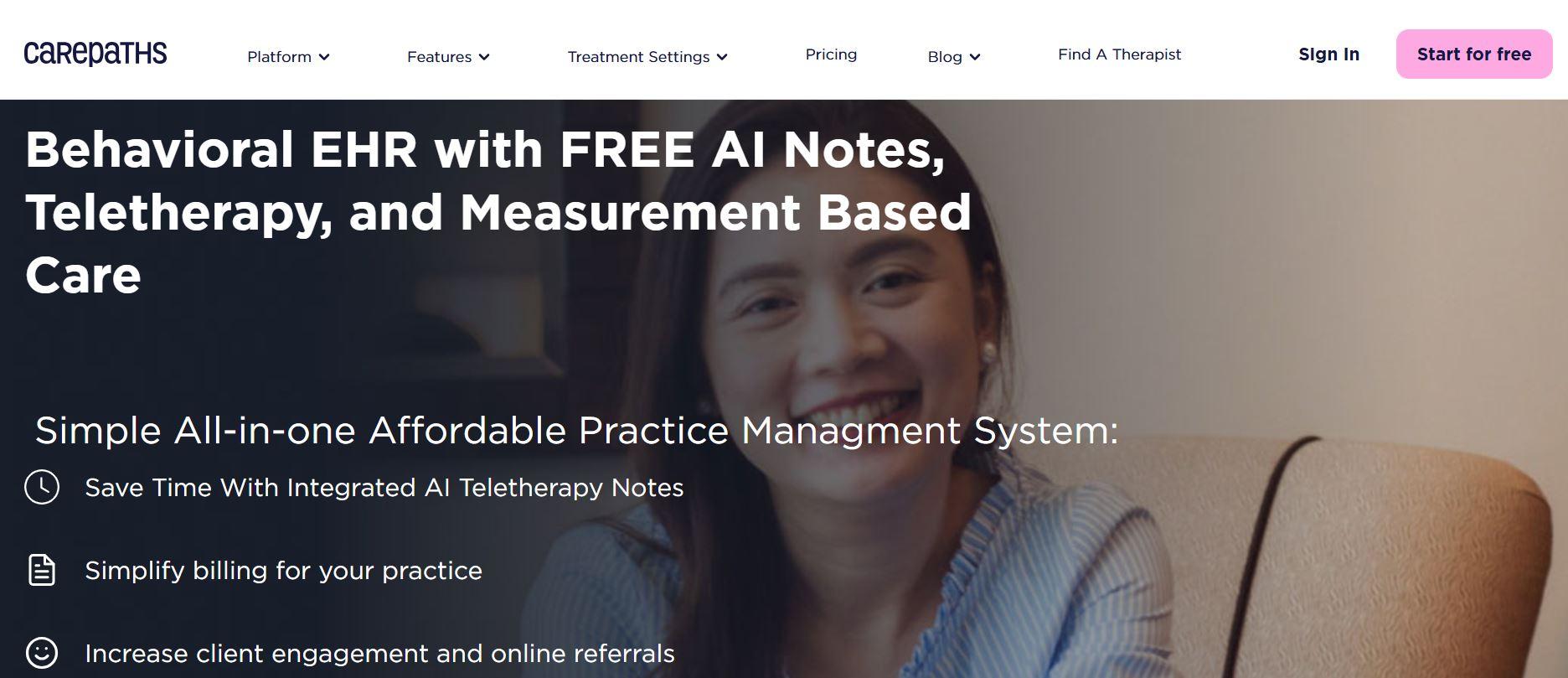
CarePaths is a platform that connects you with accredited behavioral health professionals, psychologists, psychiatrists, social workers, and counselors, who use Measurement-Based Care (MBC) to track whether therapy is actually working
for you.
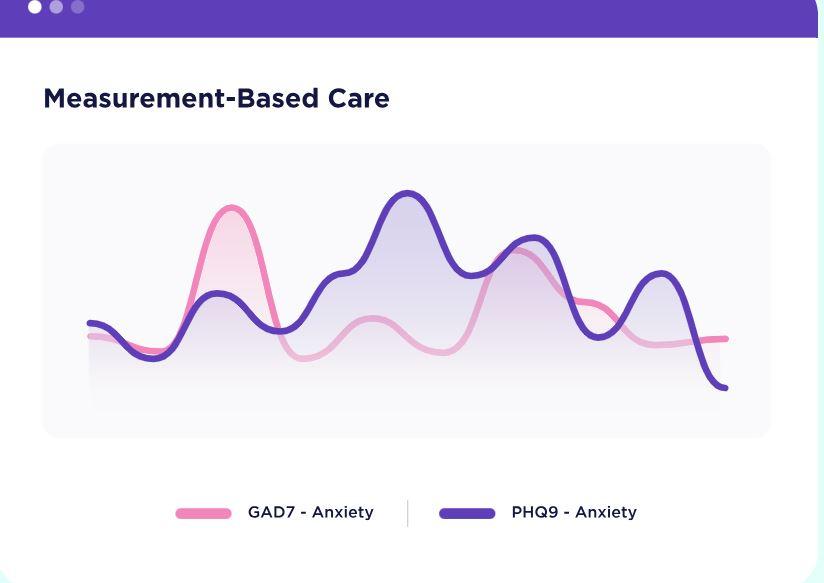
What does that mean in practice? Rather than relying on subjective feelings about whether you’re “getting better,” CarePaths therapists use standardized weekly assessments (developed under the guidance of Dr. Bruce Wampold, a leading psychotherapy researcher) to objectively measure your progress across psychological distress, well-being, and the therapeutic relationship.
The results appear as visual progress graphs that you and your therapist review together. Research consistently shows that therapy with this kind of outcome monitoring leads to better results, because therapists can adjust their approach based on objective data rather than waiting until progress has stalled.
For patients, the experience through CarePaths Connect is straightforward: find a therapist through the platform’s directory, schedule appointments online, attend sessions via secure video, complete brief weekly assessments on your phone, and track your own progress over time.
It’s HIPAA-compliant, founded by clinical psychologists, and built specifically for behavioral healthcare.
The important takeaway is that self-care apps and professional therapy aren’t competing approaches; they’re complementary.
The best choice depends on what you actually need.
Choose Calm if:
Choose Headspace if:
Try Headspace free for 14 days and start with their foundational meditation courses.
Consider professional therapy through CarePaths if:
👉 The bottom line: For most people comparing Calm and Headspace, the decision comes down to learning style: Calm for relaxation-first exploration, Headspace for structured mindfulness education. Both are excellent at what they do, and at the same price, you can try both free trials to see which one fits. But if you find yourself reaching for a meditation app because of something deeper, anxiety that doesn't ease, low moods that linger, or challenges that feel bigger than a breathing exercise, that's a signal to explore professional support. CarePaths makes it easier to find accredited therapists who track real outcomes, so you're not just hoping therapy helps; you can see that it does.